

Aquatic Innovations GmbH
Berghia stephanieae 5-pack
Berghia stephanieae 5-pack
Couldn't load pickup availability
- Bred in Germany
- 100% reef-safe
- They feed exclusively on Aiptasia
- Natural solution without chemicals
- Fast EU Wide Delivery
- Includes acclimation instructions and pipette

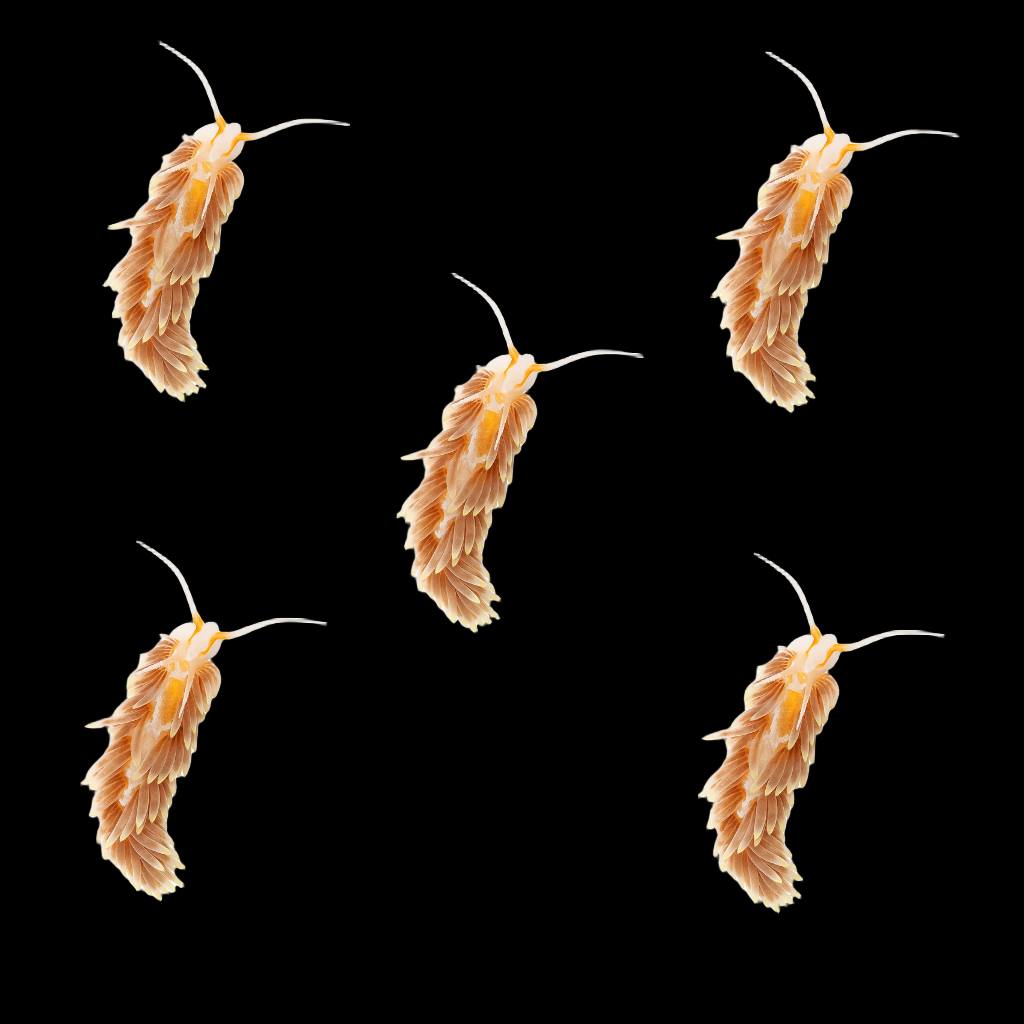
Berghia Nudibranch (Berghia stephanieae)
Berghia are 100% reef-safe and feed exclusively on Aiptasia (E. diaphana) , a common pest anemone in marine aquariums.
All of our Berghia are bred by us and shipped directly from our facility in Germany we are not a reseller. This allows us to produce Berghia with excellent size, vitality, and quality while simultaneously ensuring great value for money. Our current breeding line produces Berghia that grow to a size of approx. 2.5 cm after about two months*.
We breed our Berghia in state-of-the-art, coral-free, and Aiptasia-free systems without fish or invertebrates. This minimizes the risk of introducing nuisance algae, pathogens, or parasites into your aquarium.
Berghia are typically nocturnal and hide during the day—unless they are hungry, in which case they can be seen wandering around the aquarium.
The usual recommendation for stocking density was 1 Berghia per 50 liters to prevent the animals from running out of food too quickly.
Aquatic Innovations GmbH is the first company in the EU to offer Aiptasia for sale. This means you can now provide your Berghia with sufficient food, enabling long-term keeping and reducing the time pressure to rehome your Berghia once your system is free of Aiptasia.
Recommended stocking density:
For heavy Aiptasia infestations, we now recommend a higher stocking density of up to 5 Berghia per 10 liters. This allows for faster control of the Aiptasia infestation in your aquarium and makes our larger packages particularly economical.
Scope of Delivery:
Your Berghia are delivered with complete acclimation instructions and a pipette for transferring them. Our packaging is fully reusable/recyclable and ensure safe arrival of your order.
*at a temperature of 25°C
Water parameters for healthy Berghia
- Temperature: 24–28 °C
- Lighting: any
- Flow: any (the animals orient themselves independently)
- pH level: 7.8–8.5
- KH: 6.5–12
- Ammonium (NH₄): 0 ppm
- Nitrite (NO₂): 0 ppm
- Nitrate (NO₃): 0–50 ppm
- Phosphate (PO₄): 0–3 ppm
- Calcium (Ca): 300–500 ppm
- Magnesium (Mg): 1000–1600 ppm
- SG: 1.024-1.026
Important Notes
- Avoid predatory fish! Most wrasse species eat Berghia. Even though Berghia concentrate the stinging cells of Aiptasia in their cerata, this does not reliably protect them in the aquarium—especially not during daylight or when they are wandering around hungry.
- Please follow the enclosed acclimation instructions closely to avoid endangering the animals during introduction.